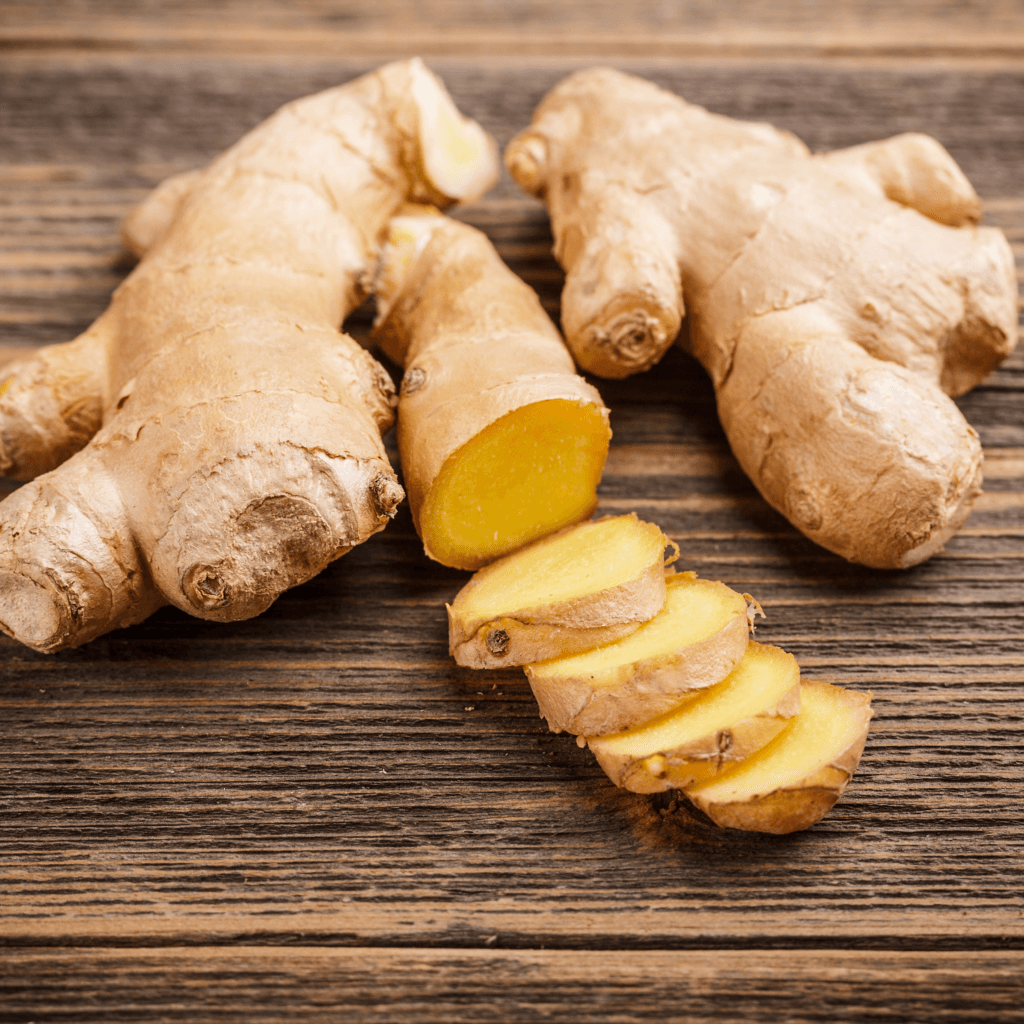
Ginger, scientifically known as ‘‘Zingiber Officinale’’, has a rich history and cultural significance. It belongs to the family Zingiberaceae and is a flowering plant. The ginger rhizome, or root, has been used for centuries as a spice and herbal medicine. It is native to Southeastern Asia, where it has been a staple in traditional medicine and cuisine. In the 1st century, traders began exporting ginger to the Mediterranean region, introducing it to a new audience. By the 11th century, it was well-known in England. Its popularity as a spice and medicine led to its introduction to the West Indies and Mexico by 1521, and to Spain from Santiago in 1547, further spreading its influence.

The ginger leafy stem grows about 1 meter high, and its leaves are approximately 15-30 cm long, aligned alternately to each other. Ginger’s flowers are dense yellow-green and purple in color and are enclosed in a bract. Ginger is cultivated by planting rootstalk cuttings and harvesting by lifting the rhizomes from the soil, cleaning them, and drying them under delicate rays of the sun. The color of ginger varies from dark brown to light brown to yellow-golden.
GINGER AS A SPICE
Ginger gives out a fair share in developing the flavor of many cuisines. The taste of ginger varies from fresh hot-spicy to lemony spicy; its flavor may vary from country to country as each land has its distinct contribution to add. It is used in different forms in different cuisines globally. Ginger is used in chopped or sliced form to garnish stews, chicken, mutton, and beef curry. It can also be peeled off and ground to add to different cuisines to improve the taste and aroma of food. Ginger pickle is also enjoying its fame all over the globe; fresh ginger paste is a key component of many Arabian and Indian dishes. In Asia, people also enjoy the enriching flavor of ginger in tea, and candid ginger is also enjoyed by people.
A GLIMPSE FROM MY MEMORY
In a glimpse of my blurring memories, I clearly remember that my maternal grandma used to add a lot of ginger while cooking different veggies and meat dishes. I still recall her words telling us that this ginger would add its unique flavor to the dish and protect our gut health. In ancient times, ginger was famous for its ability to cure flatulence and bloating caused by some vegetables.
HEALTH BENEFITS OF GINGER
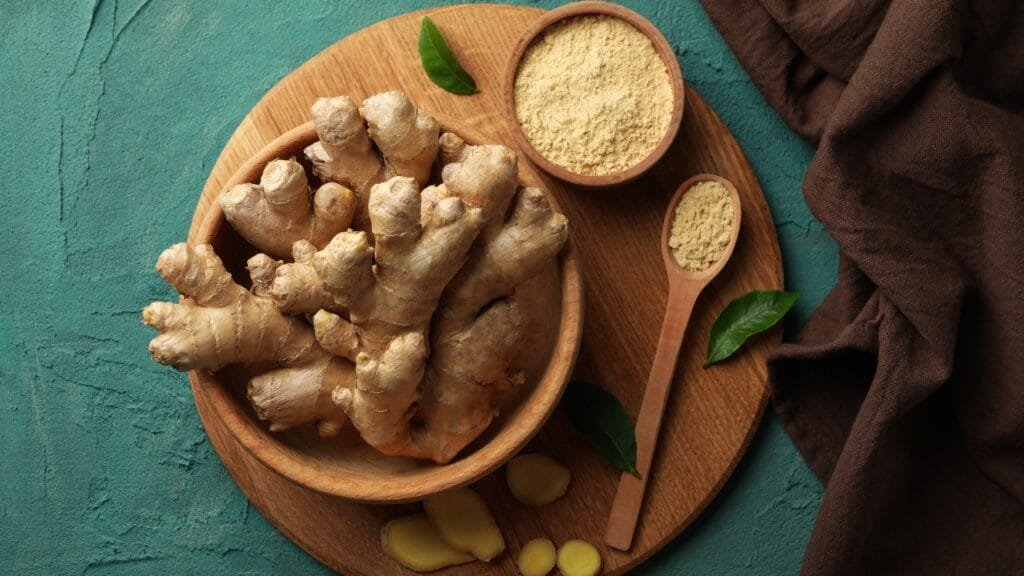
Ginger has a lot of health benefits in the presence of significant chemical components, including phenolic compounds, i.e., gingerols and shogoals. In addition, ginger also contains lipids, organic acids, raw fiber, and terpenes. Different studies on ginger concluded that ginger has the following properties;
• Anti-inflammatory properties
• Anti-oxidant properties
• Anti-nausea properties
• Anti-diabetic properties
• Anti-obesity properties
• Anti-diabetic properties
In addition to the properties mentioned above, researchers are also studying ginger to be incorporated as a nutraceutical or other functional component to develop a formulation that can be added to our lives to prevent us from chronic disease.
Health benefits of Gingerols
Gingerols are phenolic compounds and the main active component of ginger. They are also the essential oil responsible for ginger flavor and aroma. The presence of gingerols in ginger contributes to its anti-inflammatory properties. Ginger also has antioxidant properties, helping to reduce oxidative stress in the body.
Anti-inflammatory properties
Ginger’s reputation for its anti-inflammatory properties precedes it. For centuries, it has been a trusted remedy in traditional medicine, particularly for its ability to alleviate joint pain and inflammation in arthritis patients. This rich history of medicinal use underscores the enduring value of ginger in promoting health and well-being.
Anti-nausea properties
Ginger is also known for its anti-nausea properties. It is used to treat morning sickness and is effective against pregnancy-related nausea.
Ginger is also used to treat nausea due to chemotherapy in cancer patients.
NOTE: While ginger offers many health benefits, it’s crucial to exercise caution. Before incorporating large amounts of ginger into your diet, it’s always wise to consult your healthcare provider. This simple step ensures you can enjoy ginger’s benefits safely and responsibly.
Pregnant females with a history of complicated pregnancy, pregnancy loss, or bleeding and females near labor don’t use ginger and contact their health care provider for proper management and care.
Anti-diabetic properties
Many research and review studies from 2015-2022 suggest that ginger has the ability to lower blood glucose levels. It is a good addition for diabetes patients to add to their meals, giving them taste and health benefits at the same time.
Anti-obesity properties
Ginger plays a role in reducing body weight. It helps reduce weight and maintain waist ratio according to body index. Ginger’s ability to reduce body weight may be due to its ability to cure and prevent bloating or to reduce body inflammation.
Ginger and its Role in Ingestion, Flatulence, and Bloating
Ginger helps reduce ingestion, bloating, and flatulence by increasing the passage of food from the gut. Before a meal, a small amount of ginger helps reduce the occurrence of ingestion and flatulence, and few studies have concluded that ginger can enhance metabolism and reduce an individual’s hunger feeling.
Ginger in menstrual pain
Ginger has chemical components that help alleviate dysmenorrheal, i.e., severe pain associated with the menstrual cycle. Ginger tea helps reduce menstrual pain.
Ginger is a wonder spice, giving its share in adding flavor and also helpful in maintaining normal body functions. It also prevents chronic conditions, including cancer and ingestion-associated IBD, and helps maintain normal blood cholesterol levels. Due to its anti-inflammatory properties, it may prevent the occurrence of CNS-related degenerative diseases, and it also possesses anti-bacterial properties and is effective against certain bacterial and fungal infections.