Seed cycling is an emerging natural therapy that involves consuming specific seeds during different phases of the menstrual cycle to balance hormones and support female reproductive health. This holistic approach leverages the nutritional properties of seeds to promote hormonal harmony and overall well-being. In this blog post, we’ll explore what seed cycling is, how it works, and its potential benefits for women’s health.
WHAT IS SEED CYCLING?
Seed cycling is the practice of incorporating flax, pumpkin, sesame, and sunflower seeds into the diet at specific times of the menstrual cycle. The process is divided into two phases:
Follicular Phase (Days 1-14)
Seeds: Flax seeds and pumpkin seeds
Objective: Support estrogen production and metabolism
Luteal Phase (Days 15-28)
Seeds: Sesame seeds and sunflower seeds
Objective: Support progesterone production
The menstrual cycle is typically divided into the follicular phase (from the first day of menstruation to ovulation) and the luteal phase (from ovulation to the start of the next menstrual period). Each type of seed provides specific nutrients and fatty acids that can help regulate hormonal fluctuations during these phases.
HOW SEED CYCLING WORKS?
The seeds used in seed cycling are rich in essential fatty acids, lignans, and other nutrients that can influence hormone levels:
Flax Seeds: High in lignans, which can help modulate estrogen levels and support hormone metabolism. They also provide omega-3 fatty acids, which have anti-inflammatory properties.
Pumpkin Seeds: Rich in zinc, which supports progesterone production and overall reproductive health.
Sesame Seeds: Contain lignans and zinc, helping to balance hormones and support the luteal phase.
Sunflower Seeds: High in selenium, which aids in liver detoxification and hormone balance, and omega-6 fatty acids, which are important for progesterone production.
BENEFITS OF SEED CYCLING
Seed cycling offers several potential benefits for maintaining healthy female reproductive health:
Hormonal Balance
By providing specific nutrients during different phases of the menstrual cycle, seed cycling can help balance estrogen and progesterone levels, reducing symptoms of hormonal imbalance such as irregular periods, PMS, and acne.
Menstrual Health
Regular seed cycling may contribute to more regular menstrual cycles, reduced menstrual pain, and fewer PMS symptoms. It supports the body’s natural hormone production and regulation.
Menopause Support
For women approaching or experiencing menopause, seed cycling can help ease symptoms such as hot flashes, mood swings, and sleep disturbances by promoting hormonal balance.
Improved Fertility
Balanced hormone levels are crucial for ovulation and overall reproductive health. Seed cycling may support fertility by ensuring the body has the necessary nutrients to regulate menstrual cycles and hormone production.
Overall Well-being
The seeds used in seed cycling are also beneficial for general health. They provide essential fatty acids, fiber, vitamins, and minerals that support cardiovascular health, digestion, and immune function.
HOW TO IMPLEMENT SEED CYCLING?
Implementing seed cycling is simple and can be easily incorporated into your daily routine:
Follicular Phase (Days 1-14)
Consume 1 tablespoon of ground flax seeds and 1 tablespoon of ground pumpkin seeds daily.
Luteal Phase (Days 15-28)
Consume 1 tablespoon of ground sesame seeds and 1 tablespoon of ground sunflower seeds daily.
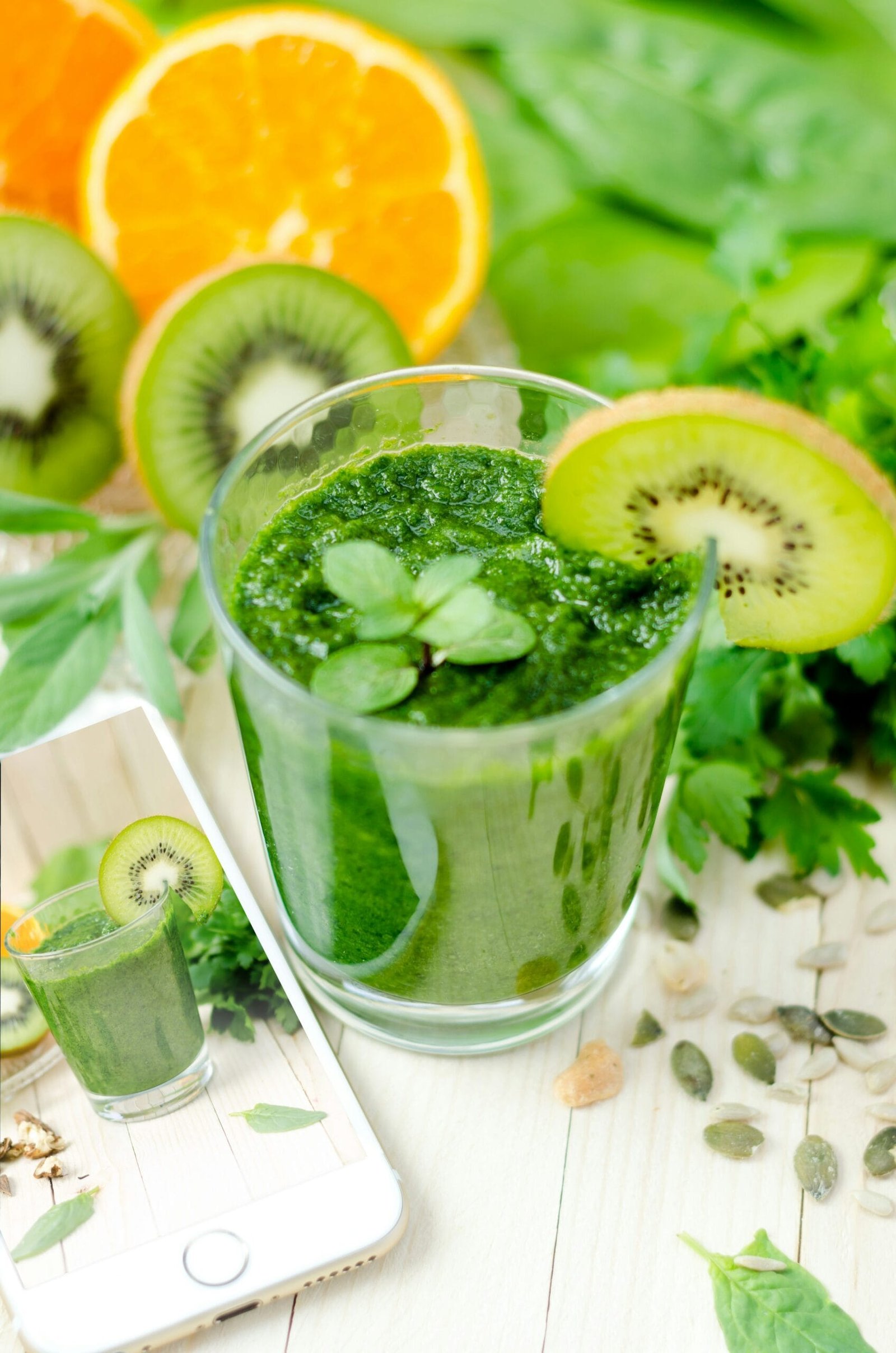
It’s essential to use ground seeds as they are easier to digest and allow for better nutrient absorption. You can add these seeds to smoothies, oatmeal, yogurt, salads, or any other preferred dishes.
Seed cycling is a natural and accessible method to support hormonal balance and female reproductive health. By incorporating specific seeds during different phases of the menstrual cycle, women can promote hormonal harmony, alleviate symptoms of hormonal imbalance, and enhance overall well-being. While seed cycling is a promising holistic approach, it’s important to consult with a healthcare provider before making any significant changes to your diet, especially if you have underlying health conditions or concerns.