
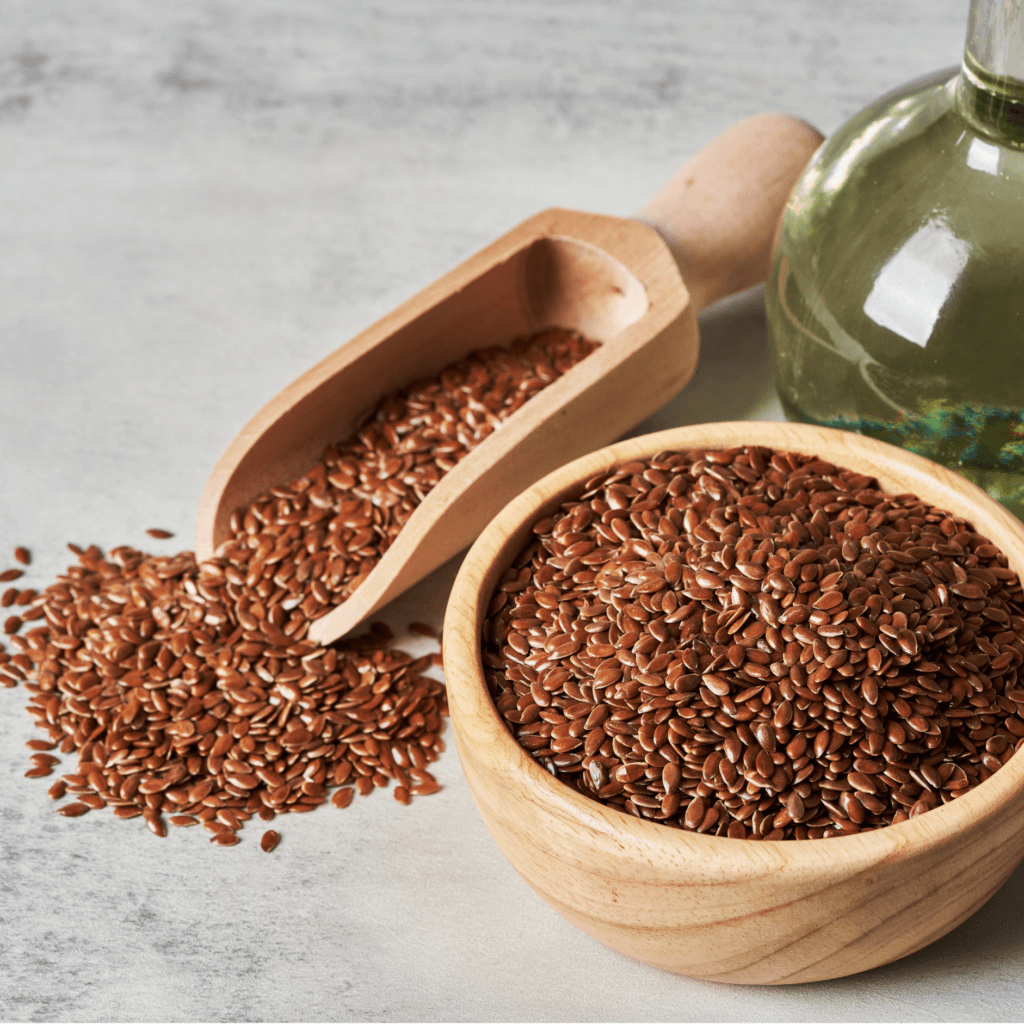
Flax seed, scientifically known as ‘‘Linum usitatissimum’’, is not just a food and crop plant. It is an annual plant that grows to 1 meter in height, with a slender stem and delicate pale blue flowers. The leaves of flax plants are arranged alternately. The reason for cultivating the flax plant is its energy-reaching seeds.
Flax seeds, with their rich history intertwined with human civilization, are believed to have originated from southern Europe or Central Asia. The evidence-based study has shown that flax seeds were grown between 4000 and 4500 BC in Egypt due to their nutritional and medicinal properties. In history chapters, it is stated that flax seeds were introduced to Canada by European settlers. They recognized the adaptability of flax seed to the Canadian climate and soil conditions, which were conducive to its growth. Over time, flax seed cultivation expanded across the Canadian prairies, becoming a significant agricultural commodity. Today, Canada is one of the world’s largest producers of flax seeds, exporting them globally for their rich omega-3 fatty acids, dietary fiber, and versatile culinary applications. The journey of flax seeds from ancient civilizations to modern Canadian agriculture showcases their enduring importance and nutritional value, connecting us to a rich cultural heritage.
NUTRITIONAL VALUE OF FLAX SEEDS
Few super-food contenders match the humble yet powerful flaxseed. Flax seeds are valued for their high alpha-linolenic acid (ALA), an omega-3 fatty acid linked to numerous health benefits. Omega-3s are crucial for heart health, brain function, and reduce inflammation in the body. Flaxseeds are one of the richest plant-based sources of ALA, making them an excellent choice for those following vegetarian or vegan diets.
In addition to omega-3s, flaxseeds are packed with soluble and insoluble dietary fiber. This fiber content aids digestion, promotes a feeling of fullness (which can aid in weight management), and helps stabilize blood sugar levels. Just two tablespoons of ground flaxseed provide roughly 4 grams of fiber, a healthy dose of protein, and essential vitamins and minerals like magnesium, phosphorus, and manganese.
How to Incorporate Flax Seeds into Your Diet?
One of the best things about flax seeds is that they are easy to incorporate into your diet. Whether sprinkled on top of yogurt, blended into smoothies, or used in baking, flaxseeds pack a severe punch regarding taste and nutrition. The following are some easy ways to incorporate flax seeds into your diet, giving you the confidence that you can quickly boost your nutrition;
Smoothies
Add a tablespoon or two of ground flaxseeds to your favorite smoothie recipe for an extra boost of nutrition.
Yogurt or Oatmeal
You can sprinkle ground flaxseeds over yogurt, oatmeal, or cereal to add a nutty flavor and a nutritional punch.
Add in Bakery items
You can substitute some flour in muffin, pancake, or bread recipes with ground flaxseed for added fiber and omega-3s.
Salads
Add flaxseeds to salads for a crunchy texture, or use flaxseed oil in a homemade salad dressing.
HEALTH BENEFITS OF FLAX SEEDS
The flax seeds are a rich source of omega-3 fatty acids and dietary fibers and are also considered a powerhouse of other bodily essential components. The presence of these components has made flax seeds beneficial for maintaining normal physiological functioning and may help prevent the development of certain chronic conditions. Regular consumption of flax seeds or consumption of flax seeds according to your physician’s advice may bring up the following health benefits;
Heart Health
Scientific studies have suggested that flaxseeds’ rich in omega-3 fatty acids make them an ideal nutritional source for reducing the risk of heart disease by lowering blood pressure, reducing harmful cholesterol levels, and improving overall heart function.
Digestive Health
Flax seeds are rich in omega-3 fatty acids and dietary fiber, which helps support digestive health by promoting regular bowel movements and preventing constipation.
Anti-inflammatory Properties
The omega-3 fatty acids and lignans in flaxseeds have anti-inflammatory properties that may help reduce the risk of chronic diseases like arthritis, diabetes, and certain types of cancer.
Aid in Weight Management
Flaxseeds’ combination of fiber, protein, and healthy fats can help promote satiety and curb cravings, which may contribute to better weight management over time.
TIPS FOR BUYING
While purchasing flaxseeds, opt for a whole seeds meal. Whole seeds have a longer shelf life and can be ground as needed using a coffee grinder or blender.
Flaxseeds are tiny, but they certainly don’t skimp on nutritional benefits. Whether you’re looking to boost your omega-3 intake, improve heart health, support digestion, or manage your weight, incorporating flaxseeds into your diet is a simple and effective way to enhance your overall well-being. With their versatility and impressive nutrient profile, flaxseeds are a super-food worth celebrating and integrating into daily meals. Next time you visit the grocery store, remember to pick up a bag of flaxseeds. Your body will thank you for it!