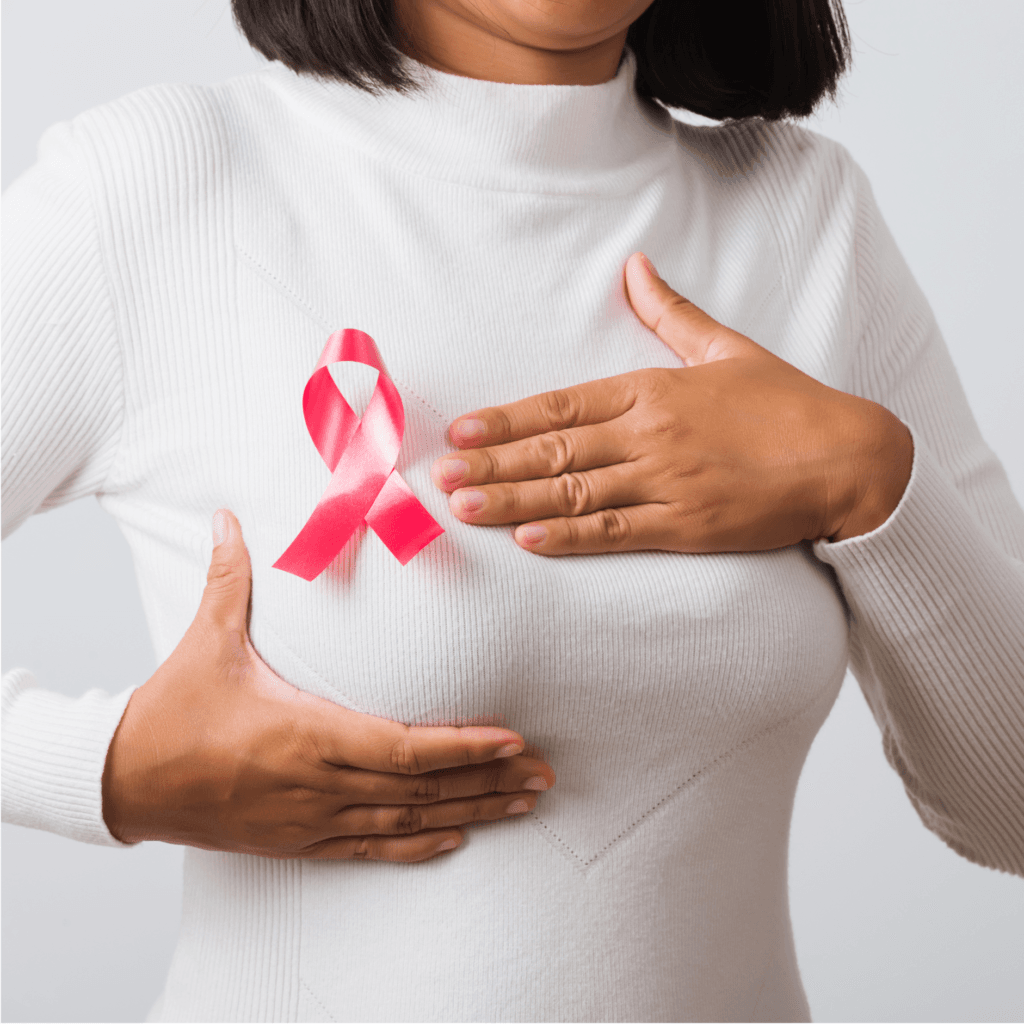
Breast cancer is one of the most common cancers affecting women worldwide, with a significant prevalence in North America. While genetics and age are important risk factors, the power to reduce your risk of developing breast cancer lies in your hands through informed lifestyle choices. In this blog post, we will explore the prevalence of breast cancer in North America and discuss how specific lifestyle modifications can empower you to take control of your health.
Breast Cancer Prevalence in North America
Breast cancer is the most frequently diagnosed cancer among women in North America. According to recent statistics, in the U.S., about 1 in 8 women will develop invasive breast cancer over their lifetime. Indicating an estimated 287,850 new cases of invasive breast cancer expected to be diagnosed in women in 2024 alone. In Canada, breast cancer accounts for 25% of all new cancer cases in women, with an estimated 28,600 women expected to be diagnosed in 2024. While the exact reasons for the high prevalence in North America are complex and multifaceted, lifestyle factors, environmental influences, and access to healthcare all contribute to these statistics.
RISK FACTORS FOR BREAST CANCER
There are several risk factors associated with an increased likelihood of developing breast cancer. These include:
Genetics
A family history of breast cancer, particularly involving BRCA1 or BRCA2 gene mutations, significantly increases risk.
Age
The risk of breast cancer increases with age, with most cases diagnosed in women over 50.
Hormonal Factors
Prolonged exposure to estrogen, either from early menstruation, late menopause, or hormone replacement therapy, can elevate risk.
Lifestyle Factors
Diet, physical activity, alcohol consumption, and body weight are all modifiable factors that influence breast cancer risk.
HOW LIFESTYLE MODIFICATIONS CAN REDUCE BREAST CANCER RISK?
While some risk factors, like genetics and age, are beyond our control, lifestyle modifications can significantly reduce the risk of developing breast cancer. The following are the lifestyle modifications:
MAINTAIN A HEALTHY WEIGHT
Being overweight or obese, especially after menopause, increases the risk of breast cancer. Fat tissue produces estrogen, and higher levels of estrogen are linked to an increased risk of breast cancer. To maintain a healthy weight:
Balanced Diet
Focus on a diet rich in fruits, vegetables, whole grains, and lean proteins. Avoid processed foods and sugary drinks, which can contribute to weight gain.
Regular Exercise
Engage in at least 150 minutes of moderate-intensity exercise each week. This can include activities like brisk walking, cycling, or swimming. If you prefer more intense workouts, 75 minutes of vigorous-intensity exercise, such as running or high-intensity interval training, can also be beneficial. These activities can help you maintain a healthy weight and reduce your cancer risk.
LIMIT ALCOHOL CONSUMPTION
Research has shown that alcohol consumption is linked to an increased risk of breast cancer. Even small amounts of alcohol can raise risk levels:
Moderation is Key
Limit alcohol intake to no more than one drink per day if you choose to drink at all.
Opt for Non-Alcoholic Alternatives
Consider non-alcoholic beverages, such as sparkling water or herbal teas, to reduce your alcohol intake.
INCREASE PHYSICAL ACTIVITY
Physical activity helps with weight management and lowers the risk of breast cancer by improving hormone levels, boosting immune function, and reducing inflammation.
Incorporate Movement into Daily Routine
Aim to be active throughout the day by taking the stairs, walking during breaks, or engaging in a hobby that involves physical movement.
Structured Exercise
Incorporate aerobic exercises and strength training into your weekly routine for maximum health benefits.
ADOPT A HEALTHY DIET
A diet rich in nutrients can support overall health and reduce the risk of breast cancer. The following are healthy dietary habits to add to your life:
Plant-Based Foods
Emphasize a diet rich in vegetables, fruits, legumes, nuts, and seeds. These foods are high in antioxidants and other compounds that protect cells from damage.
Limit Red Meat and Processed Foods
High consumption of red meat and processed foods has been linked to an increased risk of various cancers, including breast cancer.
Healthy Fats
Incorporate healthy fats, such as those found in olive oil, avocados, and fatty fish, which can have anti-inflammatory effects.
AVOID SMOKING
Smoking is a well-known risk factor for many cancers, including breast cancer. Quitting smoking can significantly reduce your risk:
Seek Support
If you smoke, consider joining a smoking cessation program or seeking support from a healthcare provider to help you quit.
Avoid Secondhand Smoke
Exposure to secondhand smoke can also increase the risk of breast cancer, so it’s important to avoid environments where smoking is prevalent.
REGULAR SCREENING AND EARLY DETECTION
While not a lifestyle modification, regular screening and early detection are crucial in reducing breast cancer mortality. By following recommended guidelines for mammograms based on age and risk factors and performing regular breast self-examinations, you can catch breast cancer at a more treatable stage, providing reassurance and a proactive approach to your health.
Mammograms
Follow recommended guidelines for mammograms based on age and risk factors. For most women, this means starting regular mammograms at age 40 and continuing annually. However, women with a family history of breast cancer or other risk factors may need to start earlier or have more frequent screenings. Early detection through regular screening can catch breast cancer at a more treatable stage.
Self-Exams
Perform regular breast self-examination every month to become familiar with your breasts and notice any changes early.
Breast cancer is a significant health concern in North America, but you can reduce your risk by making informed lifestyle choices. Maintaining a healthy weight, limiting alcohol, increasing physical activity, adopting a nutritious diet, avoiding smoking, and staying vigilant with regular screenings are all powerful strategies to protect your breast health. While no lifestyle change can guarantee prevention, these steps can significantly lower your risk and contribute to a healthier, more vibrant life.
SEO according to my searched knowledge
Keywords
Breast cancer prevention, breast cancer risk factors, lifestyle modifications for breast cancer, healthy diet for cancer prevention, breast cancer screening.
Meta Description
Discover how lifestyle modifications can reduce the risk of breast cancer. Learn about the prevalence of breast cancer in North America and key strategies for prevention.